|
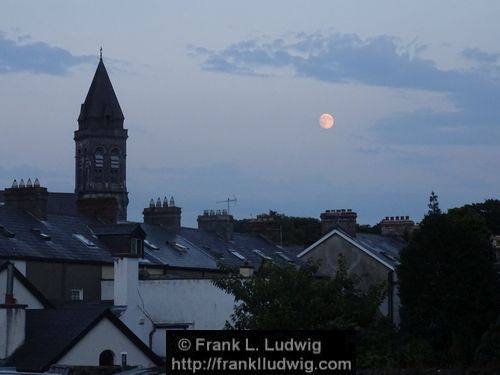
First Impression
The first I saw of Sligo
that chilly night in June
was the cathedral's tower
beneath a bright full moon.
Whichever forces drew me
were powerful and strong:
I'd finally encountered
the feeling to belong.
|
|
|
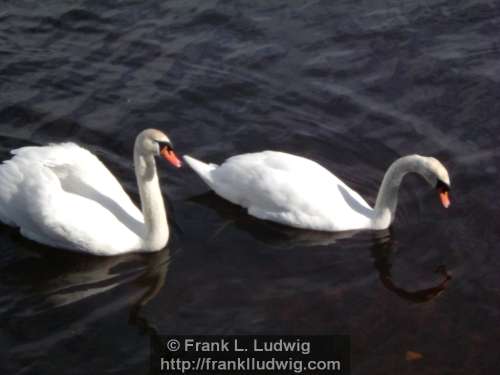
Bay Watch
Their breasts are white, their necks are long,
they're noble and they're free,
so dark and serious their eyes
that keep their mystery.
As nude as God created them
they swim the Sligo Bay,
but there's a swan most beautiful
I'll never see that way.
|
|
|
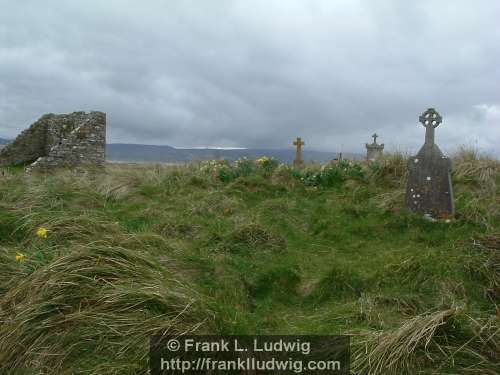
Killaspugbrone
Restless waves pet the cliff where the graveyard
is creating a life of its own,
and the April winds blow through the ruins
of the church at Killaspugbrone;
and the clouds gather over the grassland
that so leniently covers the dead,
and each daffodil, lifeless and withered,
is despondently hanging its head.
But the sun finds his way through the nimbi
like the silkworm that breaks through the floss,
and a skylark sits perched on a gravestone,
and it merrily sings on the cross;
before long it ascends to the heavens,
but I still hear its voice from the skies
as it sings of that day of redemption
when the dead and the daffodils rise.
|
|
|
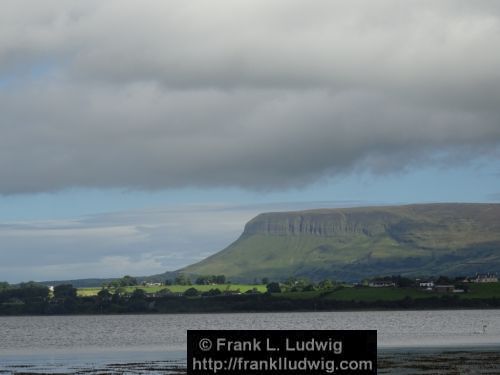
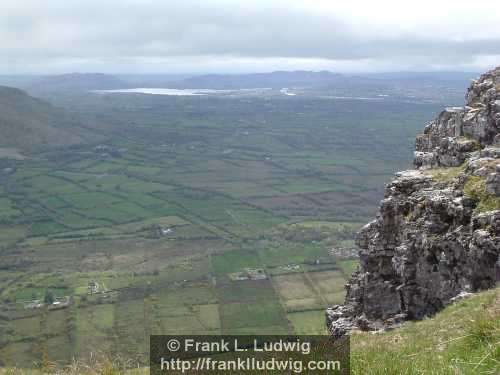
Benbulben
Where Benbulben's vanguard towers
like a prow to part the bay,
where his arctic-alpine flowers
bloom along the winding way
and the uncorrupted powers
of a people past still sway
all our destinies, the stage
now is set for one more age.
Once the mighty Dagda's table,
afterwards the hunting ground
of the Fianna as the fable
tells us, when the dreadful sound
of Dord Fiann left foes unable
to advance or move around
on his slopes, Benbulben loomed
over all he blessed or doomed.
The primeval mountain greeted
heroes fighting in the sticks,
from cursed Diarmait who defeated
the wild boar to the Noble Six;
he saw history repeated,
oftentimes without a fix,
since he came to overlook
Columb's Battle of the Book.
His majestic rock formation
oversees each main event,
be it the annihilation
the Armada underwent,
famine, war or emigration;
he, a timeless monument,
keeps the records of our strives
as he dominates our lives.
|
|
|
Spring in Geevagh
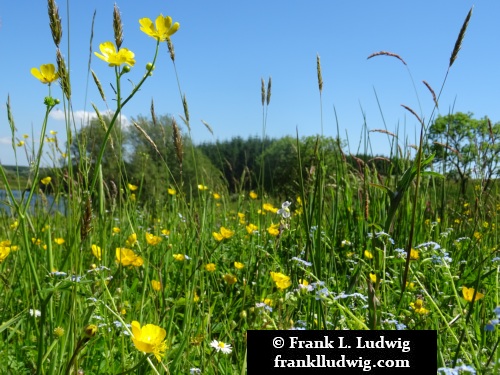
The buttercups of Geevagh
are headed towards the sun
like every living creature
of light since time's begun.
‘We shall stay down no longer,
unnoticed as before;
now that the winter's over,
we lift our heads once more!’
The daisies join the chorus
amidst the breeze's swing
and ragged robins calling
for everlasting spring.
‘For now we all will flourish
for an uncertain span,
so let us keep on growing
as long as we still can.’
|
|
|
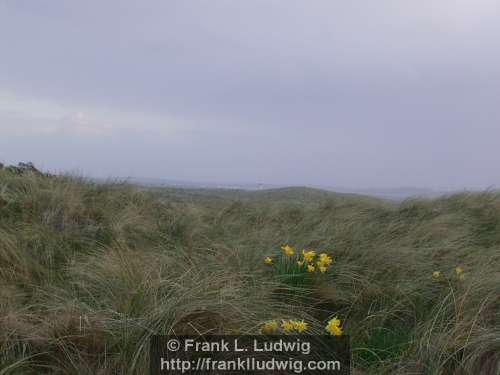
The Shifting Scrod
When, God forbid, a newborn dies
before a cleric can baptise
them they're, unchristened and unblessed,
outside the churchyard laid to rest
where in unconsecrated ground
their souls by God cannot be found.
They wander through the wilderness
and take along all those, I guess,
who step upon their piece of sod
which locals call a shifting scrod.
When husbands come home late at night
to angry wives who start a fight,
they calm them in a soothing voice,
'I didn't gamble with the boys,
and I'm not drunk, I swear to God:
I stepped upon a shifting scrod.
Through time and space I, led astray,
have lost my mind and lost my way
till, fearing that my soul would burn,
by grace of God I could return.'
Many a man they did enthral,
and some have not returned at all,
but those who have had altered lives,
estranged their children and their wives
and lived their lives, for all it's worth,
in limbo right here on this Earth
while no one knows where they will stay
once God has held his Judgment Day.
No peace will come to him who trod
carelessly on a shifting scrod.
|
|
(
It is most likely that the term scrod
derives from the Irish word scraith
, meaning turf
.)
|
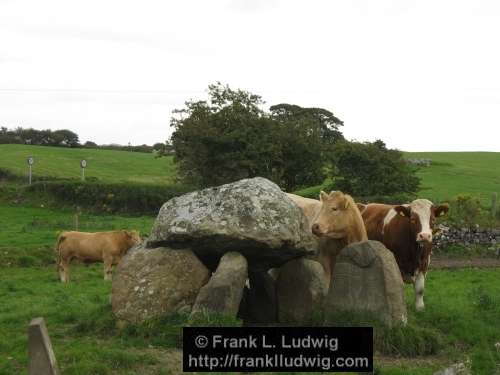
To Those Resting in Carrowmore
You watched over your queen and gave
your best to let her rule the wave
and all it is enclosing;
how does it feel, oh ancient brave,
when cows are gazing on your grave?
You have been fighting for Queen Maeve
when men and women didn't shave
nor trimmed their hair for fashion;
how does it feel, oh ancient brave,
when cows are grazing on your grave?
You have been resting in your grave
for many thousand years and save
your strength for her revival;
how does it feel, oh ancient brave,
when cows are lazing on your grave?
|
|
|
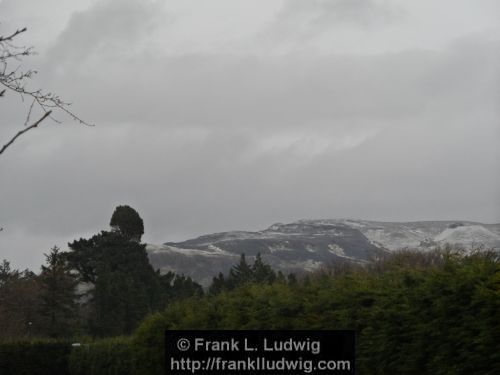
Snow on the Dartry Mountains
I shall leave while the winter is calling
his elements forth, one by one,
while the snow on the Dartry Mountains
still reflects the white light of the sun.
I'll return when the daffodils waver
to the song of the nightingale
and the snow on the Dartry Mountains
has melted and flows through the vale.
|
|
|
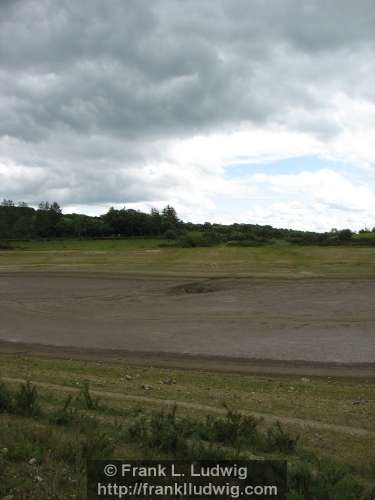
Lough Nasool
Framed by gorsed fields and evergreen
coppices thriving in the cool,
there lies a prehistoric scene:
the stony shore of Lough Nasool,
the lake that every hundred years
mysteriously disappears.
Between the hillocks you will find,
too grand to be interned by words,
another world to seize your mind,
teeming with copious fearless birds:
swallows swoop down before your eyes
and larks shoot up into the skies.
Hoofprints of generations show
this is a place of life; a lot
of those who visit do not know
that there are times when it is not,
when you can see the lake's demise
in a deserted paradise.
Here Balor of the Evil Eye
was slain, the God of Death; this ground
absorbed the poison of his eye
that dries out everything around
centennially, so we'd recall
that Death is living after all.
But in the Year of the Quiet Sun,
threescore ten years before its time,
in one large cloud the lake was gone
and sought a continental clime
to christen a poet across the sea
and call him to his destiny.
|
|
|
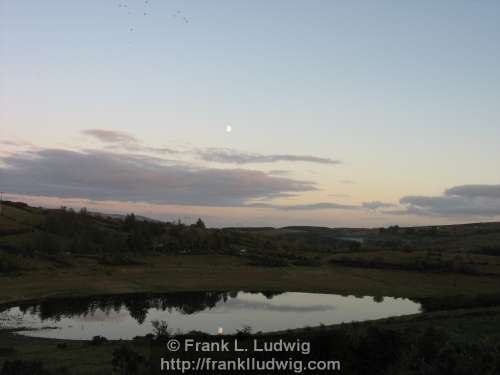
The Lake of the Enchantment
To be back where worries wander
off without a faint goodbye,
where lacustrine spirits squander
peace beneath the starry sky,
where no inconvenience grieves me
as I watch the evening's cool
shadows of the day that leaves me
at the shores of Lough Nasool,
To be back where the contagious
busy stillness of the lake
and its waters from the ages
keeps the watchful mind awake,
to be back on poet's duty
where no imperfection mars
Nature's unintended beauty
underneath the dripping stars.
|
|
|
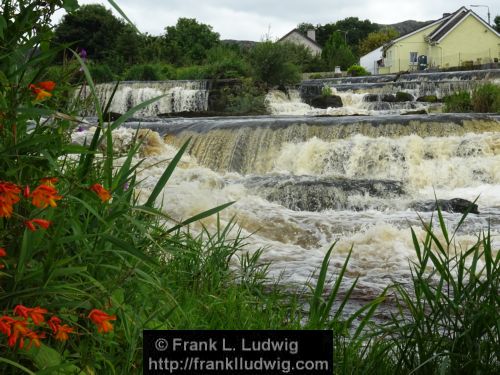
Ballysadare Falls
The salmon leap (while they still can) with pride,
performing acrobatics in midair;
they fear no weir and swim against the tide
at the falls of Ballysadare.
Montbretias tangerine the grassy bank
that sites the looming ghost estate, and there
butterfly bushes form a purple flank
at the falls of Ballysadare.
And as you turn your eyes towards Knocknarea,
the summer breeze caressing face and hair,
you feel the gushing rapids' cooling spray
at the falls of Ballysadare.
You watch torrential water raging through
the peaceful village though it knows not where
the current takes it, very much like you
at the falls of Ballysadare.
|
|
|
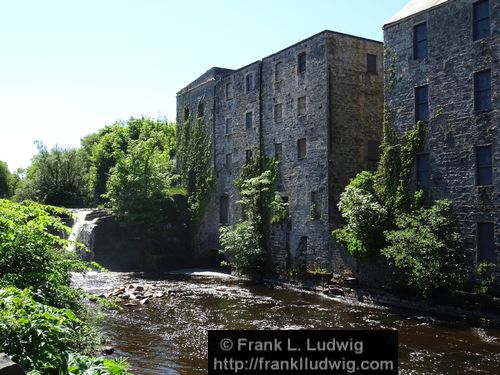
The Mills of Collooney
Grotesque mountains enclose the green valley
where the mills of Collooney once stood,
grinding corn for oppressed and oppressors
at the river that runs through the wood.
And the waters still flow through the village,
and the wood and the mountains endure
where the tireless mills of Collooney
once were feeding the rich and the poor.
But the wheels are removed and stand idle
like a church bell deprived of its chime
as the tireless mills of Collooney
have been ground by the Mill of Time.
|
|
|
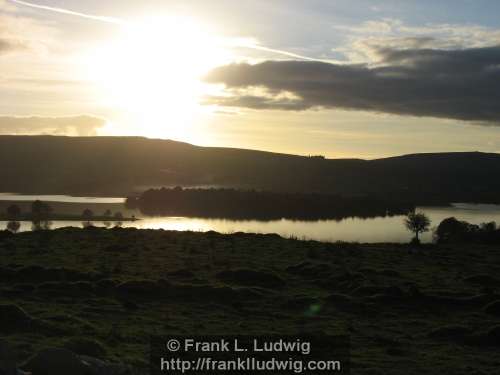
Dusk at Lough Arrow
The playful waters of Lough Arrow
lapped softly at its grassy banks,
a swan sailed swiftly through the narrow
gap in the reeds that brushed his flanks,
and in those reeds a tufted duck
guarded her nest where she was stuck.
The crows have combed the field intently
from which a solitary cow
came down to quench her thirst and gently
low at the setting sun, but now
the hustles of Lough Arrow cease
amidst a world that knows no peace.
|
|
|
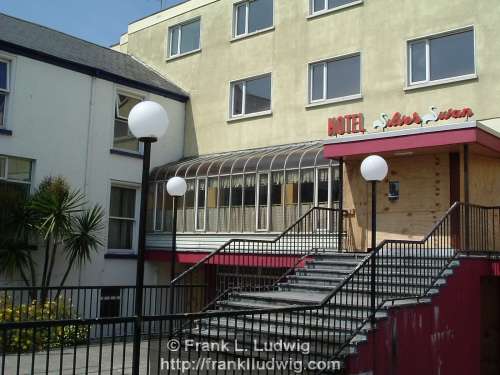
Hotel Silver Swan
Blue was the river that rolled by
and blue the sky above,
an open welcome caught the eye:
that's where I met my love.
Now doors and windows are nailed shut,
grey is the sky above,
the tired river grumbles, but
it's where I met my love.
|
|
|
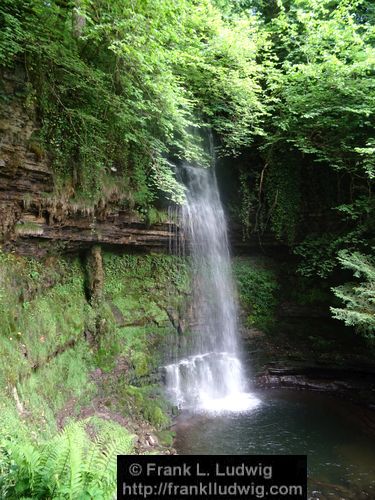
From Sligo to Glencar
The sun smiles brightly from the bluest skies:
this is the day to seize the day,
and so I walk along the busy road
to drink the beauties life provides.
Ignoring all impatient motorists,
I breathe the air of wood and sea,
and with the poet's heart I strongly feel
the power of the quiet things.
The craggy mountains are all dressed in firs,
in grass and gorse, and far and near
are daisies flanking streets and little brooks
and bluebells ringing in my eyes.
And after miles and miles I reach the lake
whose beauty crowns the pleasant walk,
sit down beside the water and refresh
my senses and my tired feet.
Soon two mute swans enjoy my company
while every now and then some cars,
trespassers from a poorer world, rush by,
but pass too fast to break the peace.
And on I walk to see the waterfall
that's coming down the ancient rock:
the vibrant waterfall is grey with youth,
the ancient rock is green with age.
A tourist brings his family: he puts
them all beside the waterfall
and takes a snapshot, then they turn around
to hurry to another sight.
Barbed wires separate me from the brook
that's leading to the waterfall,
but I have climbed barbed wires all my life
to get the fragrance of this world.
And in the silence of the little stream,
surrounded by the whisp'ring trees,
uniting with the forces of the Earth,
I rest and let my spirit roam.
|
|
|
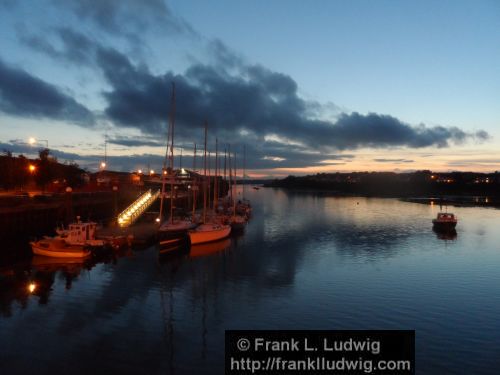
Sligo Bay Sunset
When you watch the sunset at the harbour
with its sailing boats against the clear
sky, remember that in times of famine
things were less idyllic at the pier.
Those who felt that Ireland held no future
for them gathered at the harbour gate:
overcrowded coffin ships were leaving
for a better world or grisly fate.
That was in the distant past, however,
and as you admire the day's remains,
you won't see a soul without a future,
for today they leave on aeroplanes.
Therefore nothing blemishes the scenic
quietude out here at close of day,
and you can enjoy the tranquil stillness
when the sun sets over Sligo Bay.
|
|
|
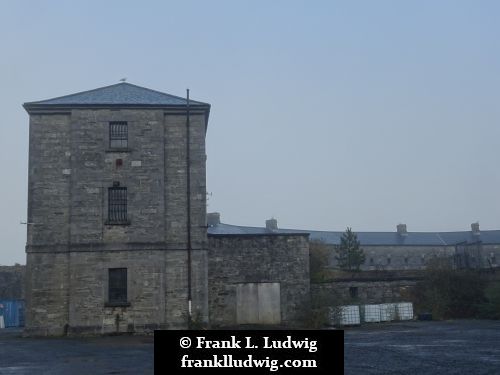
Cranmore Hotel
When I refused to recognise the court
they sent me down to Sligo to rethink;
Cranmore Hotel they call that fine resort
where I was housed and haven't slept a wink.
Nobody's hospitality could fail
as terribly as that of Sligo Gaol.
The bed they gave me felt like it was made
of cobblestone; I never closed an eye,
and in the morning I could not persuade
the guards to change the wretched mattress. 'Why?
You made your bed, now lie in it!' - No tale
of sleepless nights beats that of Sligo Gaol.
The scenery is great, and if I stand
upon the shaky table, I can see
the hill of Knocknarea amidst a land
much like my own which is so dear to me,
but little pleasures cannot countervail
the score of waking nights in Sligo Gaol.
Then spring had sprung the day when Helen came
to see me, and she brightened up my cell's
interior and set my heart aflame,
but still she wants to marry someone else.
I tried to sleep that night - to no avail,
partly due to the beds in Sligo Gaol.
Let it be known so all can read and weep
that the three weeks he spent in Sligo were
three weeks that Michael Collins didn't sleep,
an inconvenience I would not confer
upon my foes; now I've accepted bail
so they can buy new beds for Sligo Gaol.
|
|
|
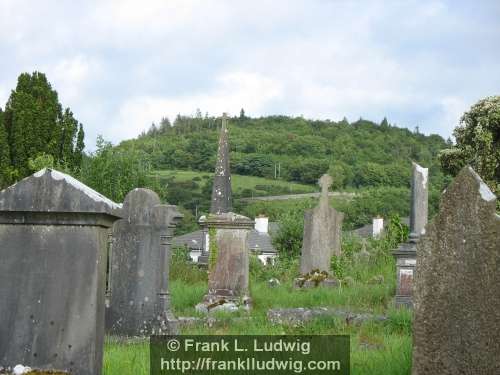
A Song in Times of Famine
Potato blight in Ireland – we all know what that spells:
not just the spuds are blighted since we have nothing else!
Who still has strength to labour, if just for bed and board,
is tending well-fed cattle to feed his British lord.
But do not feel disheartened to know our fate is sealed,
for soon we shall be resting in Widow Touhy's Field.
All those who can afford it sail to the Promised Land
or the invader's country to feed their people and
will anxiously be waiting for news with bated breath,
grateful for all their children who didn't starve to death.
But you and I are going where walls of earth will shield
us from the coming turmoil in Widow Touhy's Field.
The fancy folk are buried amongst the gulls and swans:
the Catholics in the Abbey, the others in St John's,
where monumental coffins protrude from shallow ground
and ancient skulls and bodies lie scattered all around.
But we shall hear sweet music when harvesting our yield,
and crows will be our consorts in Widow Touhy's Field.
|
|
|
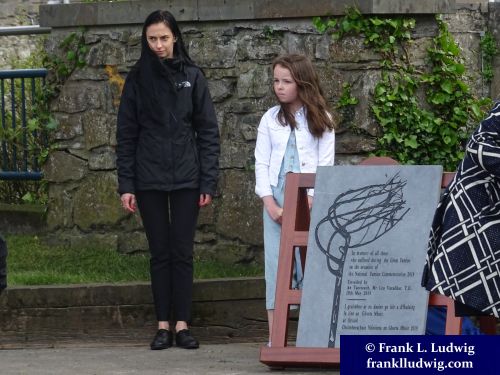
National Famine Commemoration 2019
Commemorations provide a great platform
to convey the impression of empathy,
especially when it comes up to elections,
and today was no different, as we could see.
The fact many tenants were cruelly evicted
by foreign landlords they couldn’t pay
to be left without places to live was remembered
by those who evict their own people today.
The fact there was plenty of food on this island
which, by those who’d annexed it, was carried away
as the natives were starving to death was remembered
by those who starve their own people today.
The fact that a million were leaving the country
to find more hospitable countries to stay
and make a living in was remembered
by those who drive out their own people today.
As the plaque was unveiled and the tree was planted
by the river, I wondered in dismay,
‘When will people start commemorating
the needless victims of today?’
|
|
|
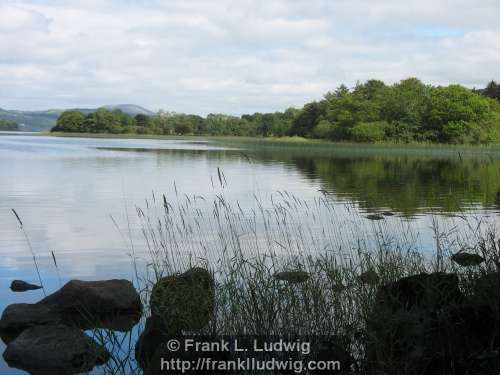
The Maid of Breffne
I'll be taking the Maid of Breffne today
since I know for sure she'll go all the way
along the blue Garavogue's verdant strand
on which the colourful mallards land.
And she blows her horn through the midday air
from where she would ride at Riverside
all the way to the fair in Dromahair.
And on she is rolling past the tall
green trees forming Doorly Park and all
along the lush shoreline of Lough Gill
where the herons catch fish and always will.
And she blows her horn through the midday air
from where she would ride at Riverside
all the way to the fair in Dromahair.
Her wheels paddle onwards at full steam
to the mouth of the Bonet and turn upstream
where the swans make way for the vessel that brings
her passengers to the village that swings.
And she blows her horn through the midday air
from where she would ride at Riverside
all the way to the fair in Dromahair.
|
|
|
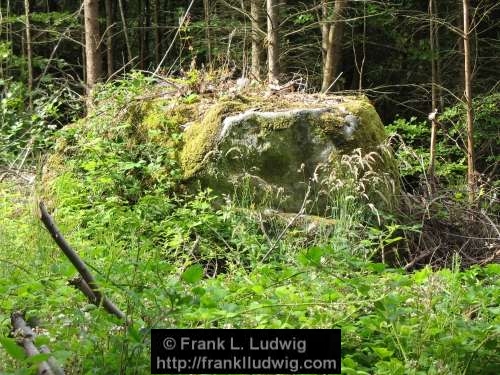
Hungry Rock
If you decide to walk to Sligo Harbour,
a bag with your belongings on your back,
trying to get the ship, east of Coolaney
pause for a little moment on your track;
a boulder called the Hungry Rock is standing
beside the winding road, and if you throw
a stone against it, you will not go hungry
until your journey's end, as locals know.
And if you're lucky someone who can spare it
may, as he passed, have left a loaf of bread
on top of it to feed the poorer craturs
who hardly can remember being fed;
but if you're in the fortunate position
to have a loaf to spare yourself, then do
the same without reserve or hesitation
for those poor souls who need it more than you.
|
|
|
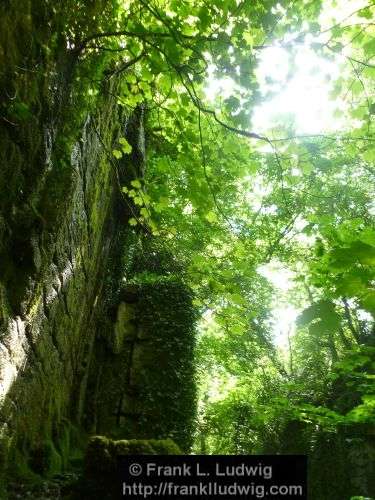
The Fairies of the Glen
Right at the foot of Knocknarea
the ramblers hesitate:
hidden amongst the thicket stands
a rusty iron gate.
It looks like it is leading nowhere,
but there's a path that will
show you a world outside this world
where Time and Earth stand still.
Thatched by enormous trees that witnessed
the dawn of humankind,
the Glen reveals a rugged beauty
that captures eye and mind.
Dwarfed by the soaring walls through which
you glimpse at distant skies,
you feel that in the undergrowth
there are a thousand eyes.
Wading through grass and mud, you quickly
sense with each breath anew
the presence of the little people
who keep their eyes on you.
Although they hide and will not show
themselves to any man,
you know you’re closely being watched by
the Fairies of the Glen.
And as you leave this magic place,
it whispers from the fern,
‘All those who don't disturb our peace
are welcome to return!’
|
|
|
From Thebes to Lisheenacooravan
The watchful guardian awoke Thutmosis,
‘The queen was taken from her sacred tomb;
if she is not returned before the Khoiak,
she'll be condemned to everlasting doom!’
The pharaoh started up, breathed deeply, rose from
his sealed sarcophagus, and he exclaimed,
‘Not Neferura, dearest wife and sister!
No peace shall be on him who's to be blamed!
‘My chariot at once,’ Thutmosis ordered.
‘Make haste, make haste, don't leave me in the lurch!’ -
‘Where will you search for her?’ - ‘Her ba is shining
bright as a star, I do not have to search!’
When Owen Phibbs at last returned from Egypt
home to Lisheenacooravan, he brought
a treasure of old daggers, swords and mummies,
attracting more attention than he'd thought.
He laid them out upstairs beneath the skylight
and called it his museum. ‘You're a grave
robber,’ his father said. ‘Have you not heard of
the punishment?’ - ‘I’m back now, so I'm safe.’
The pharaoh's chariot raced through the night sky
en route to Sligo and approached the bay,
reached Seafield House and burst into the chamber
where his belovèd Neferura lay.
As the foundations trembled and the china
broke into bits, the Phibbses, all in fear
of burglars or an earthquake, went to follow
the unholy noise, ‘What's going on in here?’
Thutmosis faced the family in anger,
‘You robbed my consort from her resting place
and of her afterlife; unless I take her
back home, I ne'er again shall see her face!’
That very moment, through the open skylight
an owl flew in; it rested on the queen
and pecked her heart out. ‘Dammit, Ammit!’ shouted
the king but couldn't stop it fleeing the scene.
‘What in God's name was that?’ - ‘That owl was Ammit,
a demon. Now,’ the pharaoh caught his breath,
‘without her heart, my consort can no longer
travel with Ra; she died the second death.’
‘I am so sorry,’ Owen told Thutmosis,
‘I wish that there was something we could do.’
His mother blessed herself; the fuming pharaoh
yelled from his lungs, ‘She died because of you!
‘I won't find peace without her, yet I have to
travel with Ra until the end of days,
but I'll send back my chariot each midnight
which shall remind you of your sinful ways!’
And back it came, night after night. The clamour
soon drove away the gardener, their prized
domestic servants, and the Phibbses followed,
unable to expel the poltergeist.
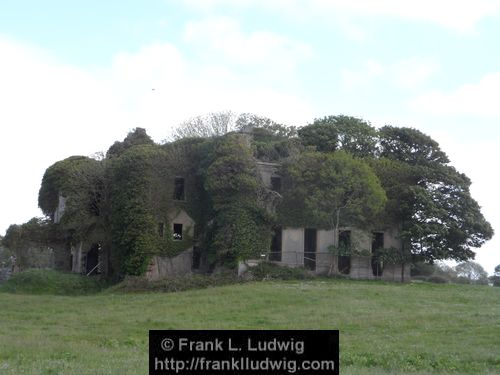
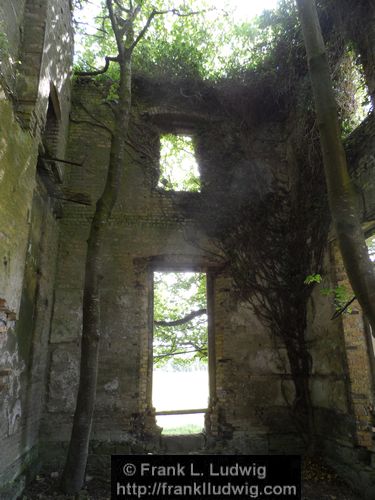
Time watches. Seafield House is long abandoned,
and birds nest in the trees that grow inside,
the winds blow harshly through its stately ruins,
and all one hears at daytime is the tide.
But after dark a grim unearthly clatter
shakes its foundations every night anew
as, drawn by passionate Arabian horses,
the pharaoh's chariot is passing through.
|
|
|
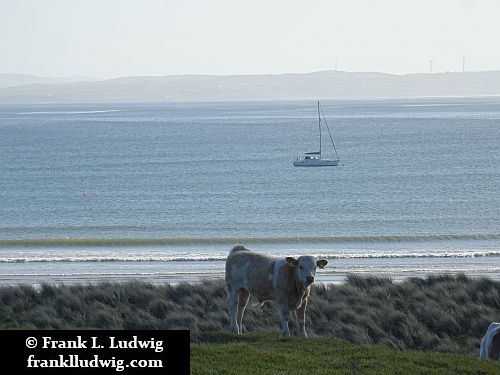
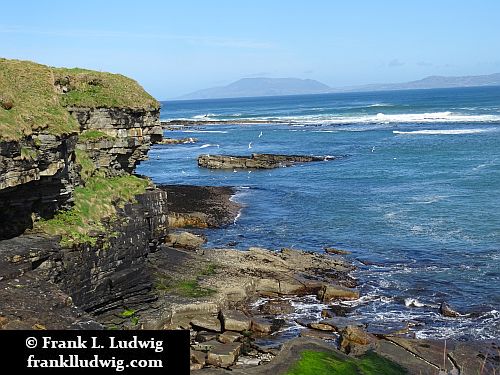
The Spray of Mullaghmore
The haggard ageing lady
staggered along the shore,
unwittingly embracing
the spray of Mullaghmore.
When she was young, her parents
had died of cholera,
and she was left to fend for
her smaller siblings, far
from anyone who'd help her,
and even though she strived
to nourish and support them
not one of them survived.
At night she would be walking
along the lonely shore,
unwittingly embracing
the spray of Mullaghmore.
One stormy day her husband,
out of necessity,
had set out on his trawler
and soon was lost at sea;
the mourning hardened widow
after the tragedy
took up the job of feeding
a dwindling family.
Night after night she wandered
along the roaring shore,
unwittingly embracing
the spray of Mullaghmore.
All her surviving children
had boarded ships to reach
America which grieved her,
but she'd encouraged each
of them to seek their fortune
across the ocean when
the country hungered, never
to hear from them again.
At midnight she still rambles
aimlessly at the shore,
unwittingly embracing
the spray of Mullaghmore.
|
|
|
The Death Wave of Cuil Irra
The August sun unclosed his gates
and smiled on Sligo Bay
where six young women from the States
enjoyed their holiday.
It wasn't since their childhood that
they'd seen their native land,
and with a blithe innocuous chat
they sauntered towards the strand.
And there they all tied back their curls,
preparing for a swim,
when an old man approached the girls,
his mien upset and grim,
‘Don't swim today! No one is safe;
out on the sea, not far
from here I saw a dark black wave -
the Death Wave of Cuil Irra!’
The women giggled, and they said,
‘Old men are so naive -
there's not a myth or legend that
these folk would not believe!’
And as the sound of his heavy boots
was slowly fading away,
they slipped into their bathing suits
and headed for the bay.
One stayed behind - she didn't heed
the others who'd beseech
her to join in; she'd sit and read
and watch them from the beach.
And further out, and further out
they swam, their spurs to earn;
they didn't hear their comrade shout
who urged them to return.
And where the water nymphs abide
in the shadow of Queen Maeve,
they saw a tall blonde lady ride
upon a sombre wave.
Her hair was shining like the sun
that framed her naked breasts,
and with her gentle smile she won
the affection of her guests.
Her eyes were blue as is the sea,
the spray pearled off her skin
as she commanded, ‘Come with me
to the Island of Maguin!’
The women watched her, willingly
and keenly following,
but halfway to the island she
became a different thing.
Her golden locks turned into snakes,
foul scales appeared beneath
her waist, and like a row of stakes
she showed her canine teeth.
The frightened women turned away
in terror, and they fought
to escape her grip, but soon the bay
claimed what it long had sought.
And seconds later they were gone
to share the icy grave
of all who e'er laid eyes upon
the Sorceress of the Wave.
No one encountered her of late;
she hides from sun and star,
but somewhere she still lies in wait –
the Death Wave of Cuil Irra!
|
|
|
The Mermaid Rocks
The O'Dowd in autumn's glowing
twilight wandered all alone,
musing on the things worth knowing
at the beach of Enniscrone.
There the gentle waves were bringing
weal to those who seize the day,
and a naked girl was singing
on a rock beside the bay.
The O'Dowd who raptly eyed her
marvelled at her voice and shape;
he sneaked closer, and beside her
on the ground he saw her cape.
He considered this pelagic
mermaid as a lucky gift
since her cape contained the magic
that allowed her shape to shift.
So he hid it with the notion
of a conquest, and he cried,
‘Now you have to shun the ocean -
come with me and be my bride!’
The O'Dowd and Meara married
while she wore her human skin,
but the homesick merrow carried
still the love for her own kin.
Meara did the cleaning, cooking,
and she brought his food and ale;
all the while she kept on looking
for her cape, to no avail.
She was seven times a mum in
just as many years gone by,
and the youngest one, a gamine,
was the apple of her eye.
Once she called in joyful temper,
‘Mum, come here and have a peek:
at the bottom of the hamper
I have found the cape you seek.’
Meara put it on, restoring
her belovèd mermaid skin,
brought her children to the roaring
sea and told them to get in.
‘But we don't have gills,’ the older
children said, inclined to stay;
she turned each into a boulder
which can still be seen today.
Meara and her youngest daughter,
without ever looking back,
went into the icy water,
leaving not a trace nor track.
|
|
|
Where Fairies Go to Die
Where time is anything but short
under the azure skies,
I stood amidst the fairy fort
and closed my weary eyes.
I turned around three times and called
for a sane world, stood still,
opened my eyes and was appalled:
my back faced towards the hill.
My wish declined for lack of spin,
I sauntered up to see
the hillfort on the Marilyn
that's known as Knocknashee,
its limestone ramparts and its grand
wild flowers in the breeze
and its deserted huts that stand
amongst the windswept trees.
And where the fairies once advised
the gods and kings around,
Fomors and giants exercised,
I couldn't hear a sound;
some say they heard amongst the scree
a whisper or a sigh
in the wilderness of Knocknashee
where fairies go to die.
They say they hide behind the shales
and watch our every move
and show themselves and tell their tales
to people they approve.
And as I stood beside the cairn
atop of Knocknashee,
I watched the Moy roll by and turn
en route to find the sea.
Where anything but time is short,
the little people dwell,
and at their hidden fairy fort
life and the world seem well.
Just once again I'd like to see,
before my time goes by,
the wilderness of Knocknashee
where fairies go to die.
|
|
|
The Dragon of Knocknarea
There is a wood on Knocknarea below the lofty grave
of someone who (as people say) will come again: Queen Maeve.
Each votary who climbs the hill puts on her mound a stone,
and when the number's full, she will rise to reclaim her throne.
And in the thicket of that wood where no man dares to stroll
(and, let me tell you, no man should), there, in a hidden hole
a dragon lives beneath a yew, begotten by her spell,
who has been seen by very few, and fewer live to tell.
He guards the cairn with watchful eyes; if anyone comes near,
he lifts his head and slyly spies on those who have no fear,
and if they bring a stone and bow before the Queen of Man,
he will unraise his scaly brow, lie down and sleep again.
But someone who disturbs the peace of her reposing bones
by climbing up the mound he sees or by removing stones
kindles the frenzy of the brute; at once the dragon will
take a deep breath and blow the crude intruder down the hill!
And on the open plateau he'll be hit by stones, exhale,
and, fleeing towards the wood, he'll feel the dragon's mighty tail
smashing his skull against the boles of ancient trees; a sharp
pain is endured by him who rolls down the precipitous scarp!
And if the beast should get irate, there's no one he would spare -
he will arise and desolate the land around his lair,
he'll whip the bay round Knocknarea to make its waters swell;
the two-faced ocean will obey by drowning beach and dell.
Many a man has paid the price for braving pow'rs of yore,
but those of us who met him twice will still come back for more!
|
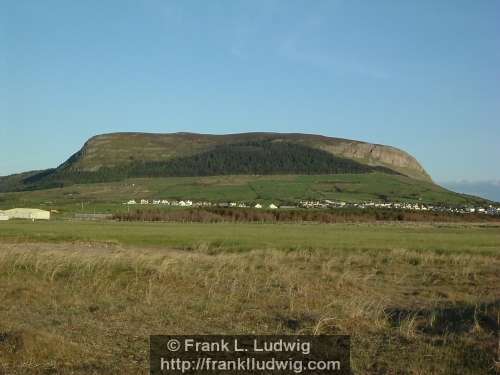
|
|
Cockcrow in Killawaddy
When the cock in Killawaddy*
doesn't crow at dawn, it's said,
mischief lurks, so everybody
skips their work and stays in bed.
Days like these leave their indenture
on the village through all ranks
as the hidden people venture
out to play their little pranks.
When this happens on a Sunday,
which it often has, alas,
some stay home to make it fun day,
others still head out to Mass.
Seeing there's no congregation,
Father Brennan stamped his feet,
mumbled something of damnation
and marched out into the street.
With his walking stick he strongly
knocked at every single door,
calling out the ones who wrongly
had abstained from Heaven's store.
‘Father, hidden people's missions
cost us all a heavy toll.’ -
‘Oust your pagan superstitions
lest the Devil have your soul!’
Once the sheep had been collected
who had left him in the lurch,
they all followed as directed,
but they couldn't see the church.
As they gathered where in recent
times it stood, they gasped, of course,
while they witnessed some indecent
laughter from an unknown source.
|
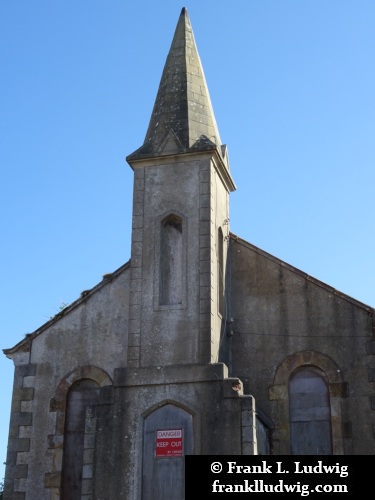
|
*Killawaddy is a fictional village in Co Sligo, first described by Joe McGowan in The Hidden People.
|
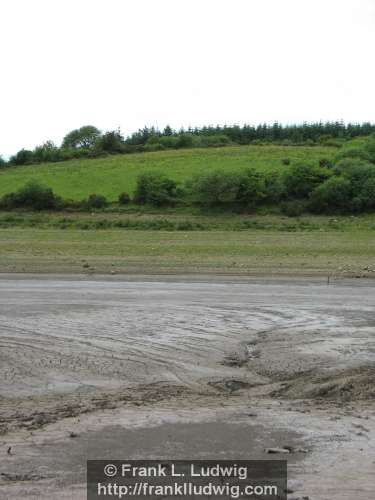
Lough Nasool Unplugged
Two score two years ago, the summer I
was born, not e'en a little pool
remained where, out of turn, a lake went dry:
they'd pulled the plug on Lough Nasool.
One score one year ago, the summer I
first came to Sligo was quite cool,
yet, out of turn, the mystic lake went dry:
they'd pulled the plug on Lough Nasool.
This summer I keep wondering about
the coming lesson in life's school,
for something's up, of this I have no doubt:
they pulled the plug on Lough Nasool.
|
|
|
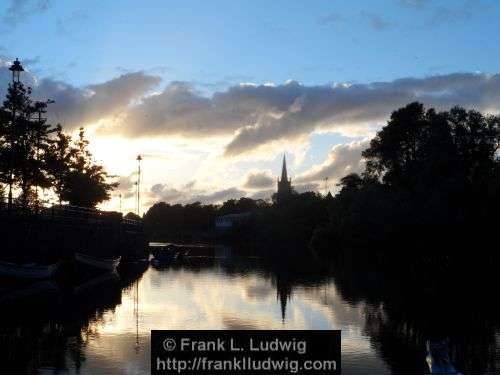
At the Banks of the Garavogue
At dusk, when the shadows are falling
under street lights in Doorly Park,
you pause as you hear someone calling
your name through the trees in the dark;
turning round, you will notice the funny
physique of a pitiful rogue
who asks for a smoke and some money
at the banks of the Garavogue.
The wind picks up speed, and you shiver
besides the stream and stand still
near the crannog astern of the river
where the waters approach from Lough Gill.
A boatman is cursing the weather
and casts out his homemade drogue
as the ominous storm clouds gather
o'er the banks of the Garavogue.
In the distance you hear the fright'ning
thunder rolling to mark his domain,
accompanied by the first lightning.
In seconds you're drenched by the rain,
and as the thunder comes nigh, go
as fast as you can in your brogue
and return to the shelter of Sligo
from the banks of the Garavogue.
|
|
|
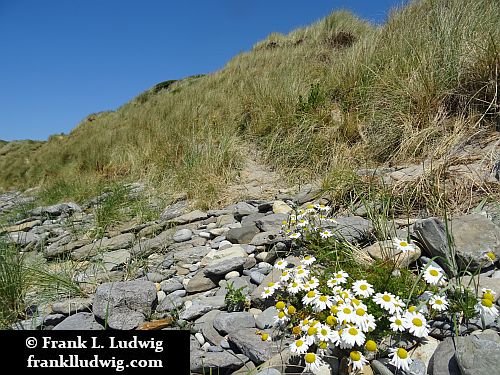
The Dunes of Streedagh
The restless dunes of Streedagh
look down upon the sea
as they are rearranging
themselves persistently.
Like the unsettled ocean
is moving with the tides,
the restless dunes of Streedagh
form as the wind decides.
The shifting sands keep changing
at random with great zeal;
some secrets they’ll uncover,
some secrets they’ll conceal.
Though life forms they are hosting
may strongly disapprove,
the restless dunes of Streedagh
are always on the move.
|
|
|
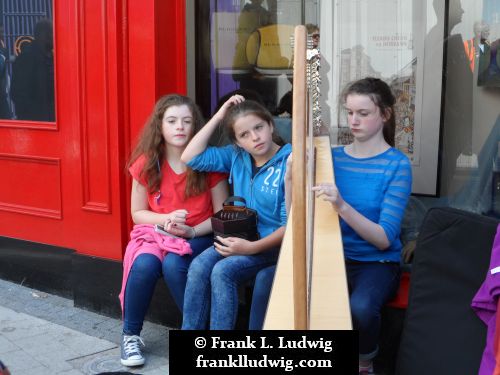
When the Fleadh Returns to Sligo
Sligo Town will buzz with fiddlers,
visitors will tap their feet,
boys and girls in classic costumes
will be dancing in the street;
when the Fleadh returns to Sligo,
you and I once more shall meet.
Céilí bands will be competing,
gifted children without qualms
will be showing off their talents
as the maids show off their charms;
when the Fleadh returns to Sligo,
I shall hold you in my arms.
Sligo will be celebrating
with its guests from far and nigh,
there will be, before it's over,
lots of fireworks in the sky;
when the Fleadh returns to Sligo,
we shall say our last goodbye.
|
|
|
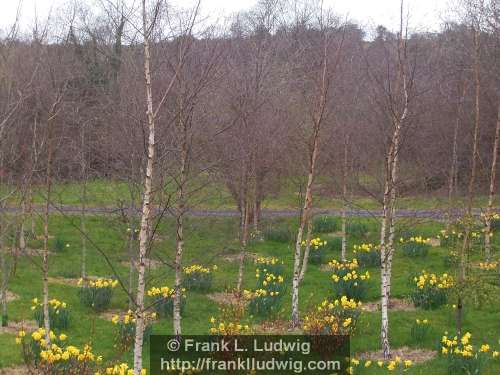
Dromahair Road
Starlings sing their joyful chorus,
lambs are bleating everywhere,
and the sunshine warms the tarmac
on the road to Dromahair.
Through the ancient walls and hedges
I can see the distant hills
and amongst the slender birches
patches of young daffodils.
Where the persevering farmers
drove their cattle to the fair,
I must walk without companions
on the road to Dromahair.
Looking back I see the stations
I have covered on my way:
there's the fading town of Sligo
and the mound of Knocknarea.
Soon I'll reach the Bonet, pending
like a salmon in the air,
for my fate shall be unravelled
once I've passed through Dromahair.
|
|
|
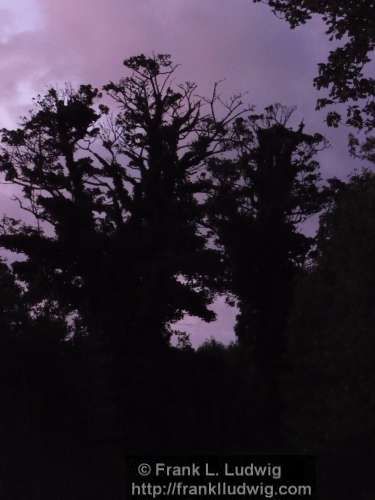
Hazelnight
When slowly rising shadows mark
the exitus of one more day
and Hazelwood lies in the dark,
the salmon play at Half Moon Bay.
And when the creatures of the night
who never have been seen by man
do what they all believe is right,
the salmon leap while they still can.
When at the old abandoned house
the spectres gather for the feud
and recommit to ancient vows,
the salmon keep their attitude.
When the magenta streaks of dawn
have brushed the void of night away,
the living rise and greet the morn,
and salmon play at Half Moon Bay.
|
|
|
The Noble Six
The Civil War in Sligo
was over, technically:
Free Staters had retaken
the county by the sea.
But pockets of resistance
remained, true to the plight
of those who swore they wouldn’t
concede without a fight.
In an ambush staged at Rockwood,
the IRA killed three
soldiers and took their armoured
car, the Ballinalee.
When trapped beneath Benbulben,
its crew, watched from afar,
disabled and abandoned
the captured armoured car.
Here General MacEoin
advised his men to take
no prisoners and called for
buckets of blood in its wake.
It was a foggy morning
when on Benbulben’s slope
six Anti-Treaty soldiers
came close to losing hope.
Surrounded by Free Staters,
they had been forced to leave
their safe houses and head for
the overcast massif.
They planned to meet their comrades
atop the mount and make
their way down to their hideout,
the cave near Glencar Lake.
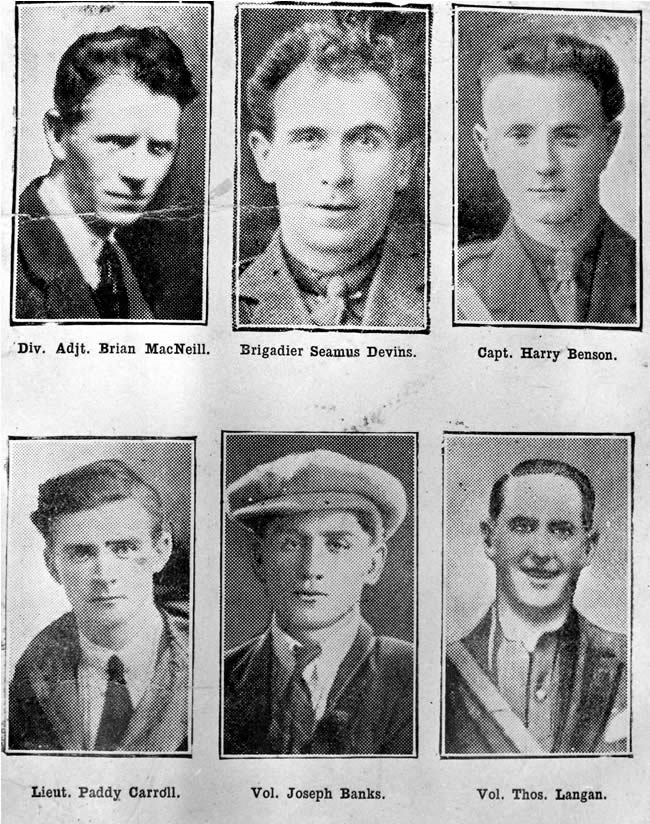
James Devins, Teachta Dála,
Joe Banks, Brian McNeill
and Paddy Carroll ascended
to face their last ordeal.
The fog grew even denser
as they approached, and so
the Free State soldiers waiting
could not tell friend from foe.
Identified as rebels,
the four surrendered and,
disarmed and handcuffed, witnessed
how things got out of hand.
One Free State captain called for
some volunteers to kill
the prisoners; nobody
would execute his will.
He sent his soldiers forward,
then shot the four and claimed
their valuables and left them,
unmoved and unashamed.
Two others, Harry Benson
and Thomas Langan, too,
went up the slope to meet with
their friends, a choice they’d rue.
Only a few hours after
the others had been shot,
they ran into the unit
who’d left them there to rot.
And like the others, Benson
and Langan who were filled
with terror now were being
disarmed, restrained and killed.
The last to die in Sligo,
those murdered in the sticks
will always be remembered
as Sligo’s Noble Six.
|
|
|
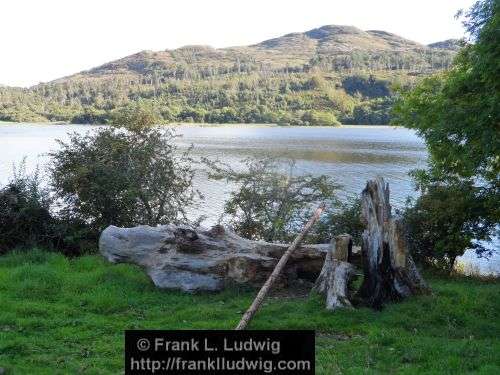
The Last Islander
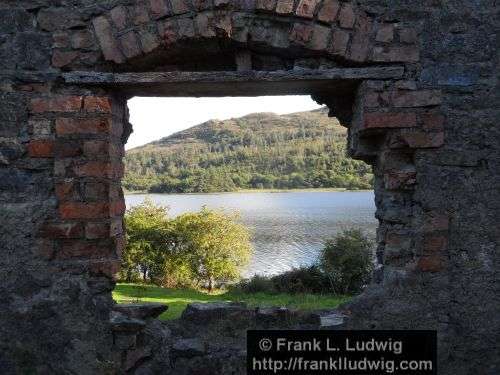
Where herons stalk the playful fish
in the waters of Lough Gill,
there sleeps a densely wooded isle
of calm where time stands still.
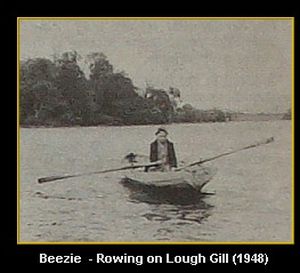
They've called it Beezie's Island since
the ageing widow came
to live here, and not many folk
recall its proper name.
To get her pension she would row
to town, and afterwards
you'd find her in the kitchen where
she'd sit and feed the birds.
The robins, squirrels, crows and swans
who ate out of her hand
and every animal around
considered her their friend.
All visitors were welcome who
respected Beezie's pets,
and only one of them got barred
for throwing stones at rats.
And oft the local fishermen
would help her run and clean
her secret still and in return
get bottles of poteen.
When blizzards raged throughout the spring
of forty-seven, she
stayed on her island though she knew
how risky it would be.
The frozen lake had cut her off;
the smoke soon ceased to rise
from Beezie's chimney, and her friends
sought ways to bring supplies.
Gardaí and locals hired a truck
to haul a boat and fill
it with some firewood, coal and food
at the shoreline of Lough Gill.
A dozen men carefully pushed
the boat across the lake,
ready to jump aboard in case
the fragile ice should break.
Huddled in sheets between her cat
and dog, they found the old
lady; her pets had died before
of hunger and of cold.
Taken to Sligo General
she soon became a star:
to meet the Lady of the Lake
folk came from near and far.
One evening, just outside the door,
as Beezie fetched her comb,
she heard a nurse suggesting they
should put her in a home.
Beezie discharged herself that night
and rowed back to her isle
where she had breakfast with the friends
she'd missed for quite a while.
Though over ninety, she was full
of vigour and of wit;
she did not suffer from old age,
nor did she die of it:
One Christmas season, as so oft,
some of her friends from town
came to cut wood for Beezie's fire
and found her house burnt down.
No one has dwelt upon the lake
since the old lady's gone,
but in all things that crawl and fly
her spirit still lives on.
|
|
|
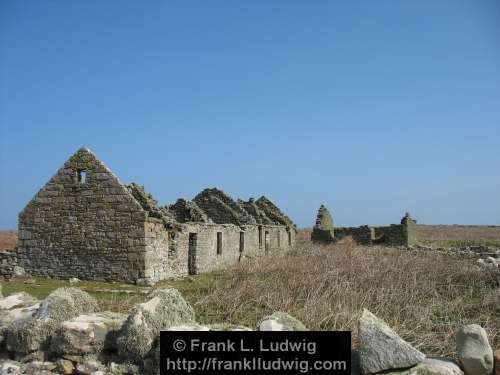
Moonshine on Inishmurray
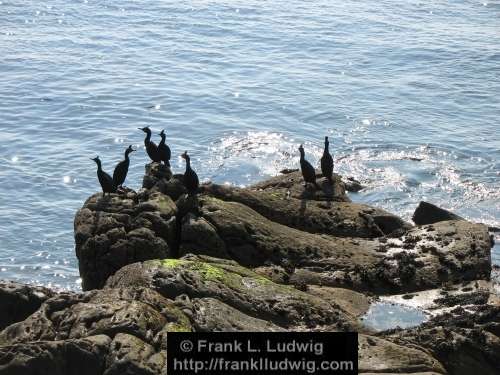
The moonshine nurtured Inishmurray
from ages immemorial
where cormorants and gannets scurry
at ease since no raptorial
creature is there to pose a danger,
nor would a human be a stranger.
I can recall the holy well in
the island's sunlight and its cool
water, the house we used to dwell in,
the fulmars nesting near the school
and all my classmates' smiling faces
in this, the happiest of places.
But though we love our birthplace dearly,
its craggy nature and its strand,
it is impossible to merely
live off the ocean or the land,
and so for aeons we've been filling
the gap by mountain dew distilling.
Mainland police came oft to visit
the island since they were inclined
to end our trade and asked ‘Where is it?’ -
We wouldn't tell, they wouldn't find.
And yet, despite our different labels,
we made them welcome at our tables.
But on occasions they discovered
our kegs and sent our men to gaol,
so want and hardship always hovered
above us on an unknown scale;
at times they found more than the shipment
and confiscated the equipment.
Then came Gardaí; we aren't skittish,
but they, as soon we understood,
were more committed than the British
to stamping out our livelihood;
with all the still houses demolished,
our business had to be abolished.
The island life is unforgiving,
and in the end we all have swerved
from home so we can make a living;
today the moon shines unobserved
on Inishmurray as the island's
desertion caused a pensive silence.
The spirit that so long has slumbered
will never cease to live and breathe,
and though my days on Earth be numbered
which soon I'll watch from underneath,
there'll be no gravedigger to bury
my memories of Inishmurray.
|
|
|
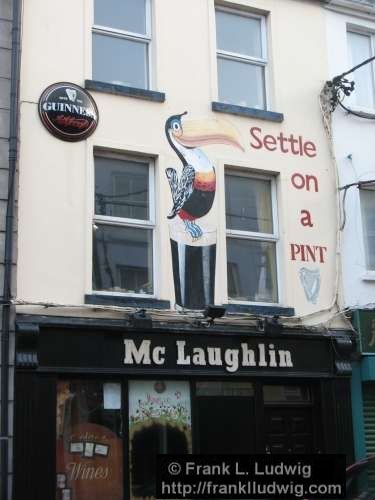
In the Days of Seamus McLaughlin
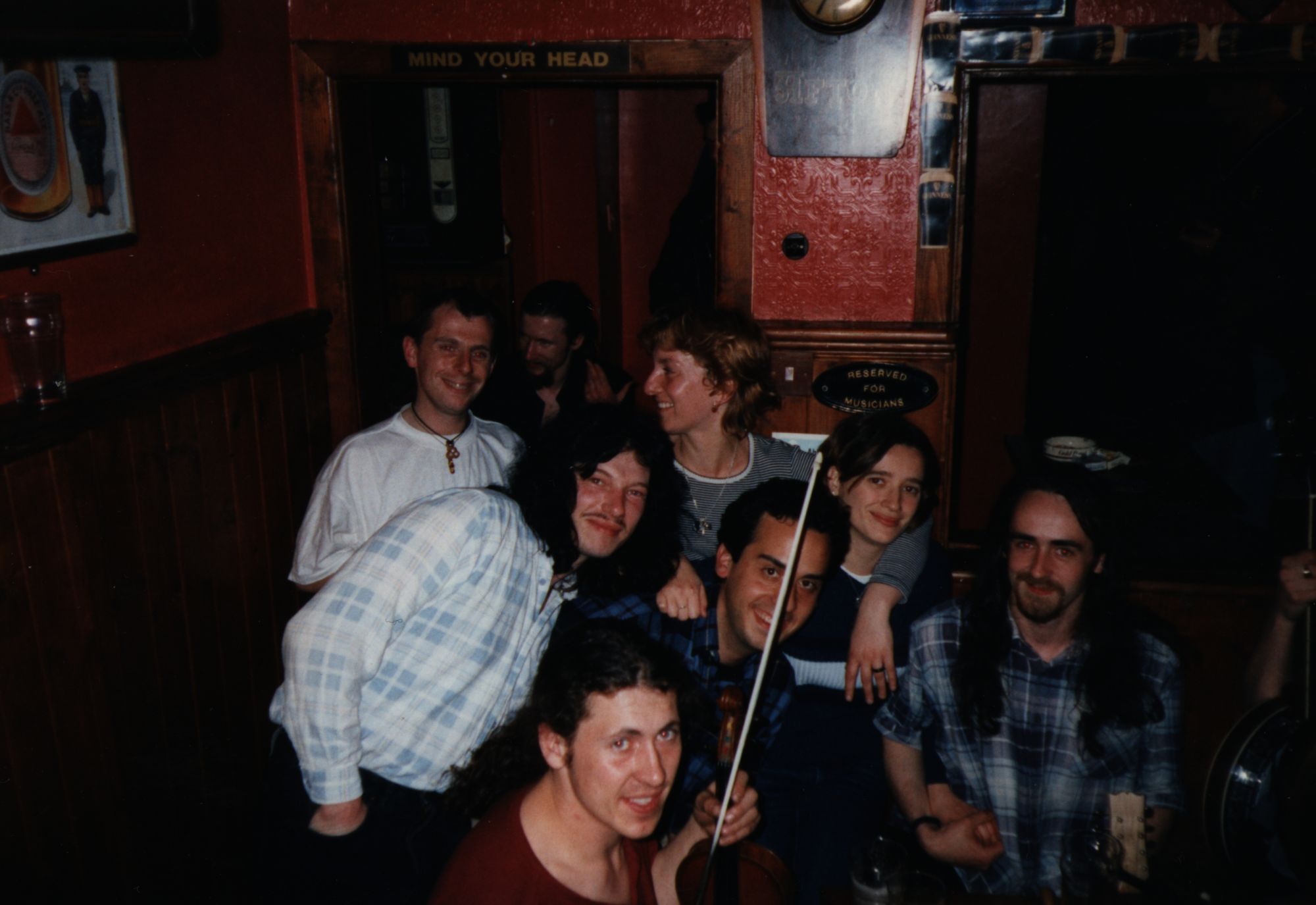
In the days of Seamus McLaughlin
we would wait in the back of his bar
till the man himself was descending
to sit with us and tune his guitar.
And he'd carefully stick his burning
cigarette between peghead and strings,
and soon his plectrum was flying
like a hummingbird spreading its wings.
Every night was a musical journey,
and through space and time we would fly,
from the Hotel California
to the Fields of Athenry.
And he'd pass his guitar on to others
who wanted to play. We'd hear songs
sung in Basque, Swahili and Irish
at our cheerful singalongs.
Towards the end he would ask the young poet
for his Ghost Riders in the Sky
(or at least the few lines he remembered),
and as the evening rushed by
he might call for a poetry reading,
so the pipe would be put aside
as the writer took out his collection
of poems and gladly complied.
Close to after the closing hour
two Gardaí wandered in one night,
and, thinking the place would be raided,
Seamus' guests got a little fright.
But they went to the counter and ordered -
they had only come in to stay
for a Guinness, went back to their squad car
and quietly drove away.
And on Tuesdays the Trad band were playing -
the guitars quickly followed the call
of the bodhrán, and soon they were joined by
the most sensual flautist of all,
by the fiddles and pipes; the musicians
and the punters got caught by the beat,
and, with or without taking notice,
everybody was moving their feet.
When the music was over, we chatted
about neighbours or life's hectic mode
till the bell rang out for last orders:
one more smoke, and a pint for the road.
Then we slowly got up and returned to
a world of a different kind -
in the days of Seamus McLaughlin
we went home with a song on our mind.
When the Euro came in, I once mentioned
that I needed a mobile; with perked
ears he said he'd sell his for a tenner,
and I gave him ten Euros. He smirked,
'When I said it was yours for a tenner,
I meant Pound'. - I just should have known,
so I gave him another two eighty
and owned my first mobile phone.
And as soon as we laughed at first rumours
of a ludicrous smoking ban,
Seamus sold his wee pub, and we'll never
come together like that again.
Today he is playing at weddings
or in pubs round the Point, and I meet
him in town now and then when I'm shopping,
and we stop for a chat in the street.
Then we talk of the present and future,
how things should be and how they are;
but when I meet one of the others
who used to drink in his bar,
we both, caught in a spell of nostalgia,
dig up many a memory
from the days of Seamus McLaughlin
when life was the way it should be.
|
|
|
The Mystical Lady of Hennessy's Corner
‘Twas Christmas Eve for the guys from An Post
who'd returned from their rounds to the store,
full of chocolate and cake and the Christmas drinks
they were served at many a door.
John, too, stumbled out of his van; on all fours
he crawled to the office, but when
he was told he forgot a delivery,
he had to crawl back to the van.
He climbed in and headed for Ballintogher
where even the wind makes no sound,
where there's only dark woods and no living soul
for dozens of miles around.
The woods of Ballintogher
are treacherous and deep,
and no one dares examine
the secrets they may keep.
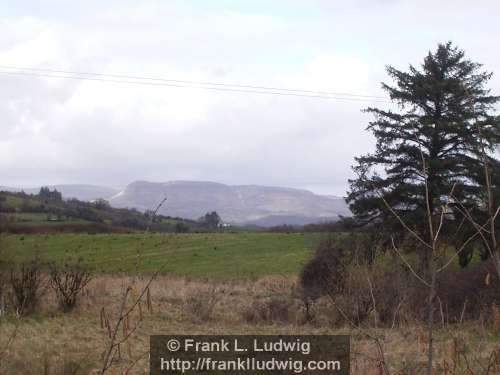
He turned at a corner, a song on his lips,
looking forward to biscuits and tea,
when a magical force changed the course of the van
and wrapped it around a tree.
The Gards soon arrived, and, testing his breath,
grew as pale as the wintery sky,
‘Dear God, you're as drunk as a sailor,’ they screamed,
‘you may kiss your licence goodbye!’
‘I swear that I had not a drop while I drove,
but after the accident
a lady appeared from among the trees
and approached me, a glass in her hand.
‘She was stately and young, with flowing red hair,
and she wore a transparent gown,
and she helped me up, and she told me, “You need
a brandy to calm yourself down.”
‘I emptied the glass in one go, and she filled
it up once again, flung her hair
and vanished into the woods again,
just like she was never there!’
The woods of Ballintogher
are treacherous and deep,
and no one dares examine
the secrets they may keep.
Since then drivers stop there on Christmas Eve,
and they wait, as the sun slowly sinks,
for the Mystical Lady of Hennessy's Corner
to bring them their Christmas drinks.
|
|
|
Saying Goodbye to the Summer
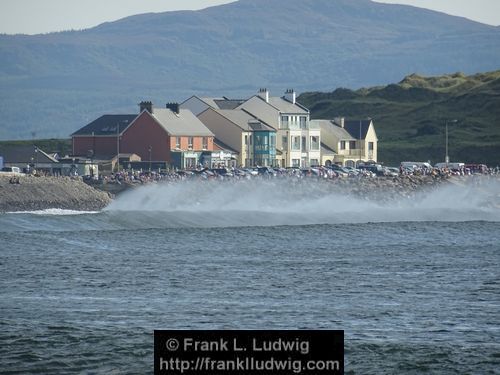
When we said goodbye to the summer
where the waves end their lives at the shore
of Strandhill to the subtle drum roll
of the ocean, the sun smiled once more.
There still is some light we can gather,
and all the black thoughts are postponed
to the days when the darkness of winter
casts his shadow on those he once owned.
|
|
|
Return
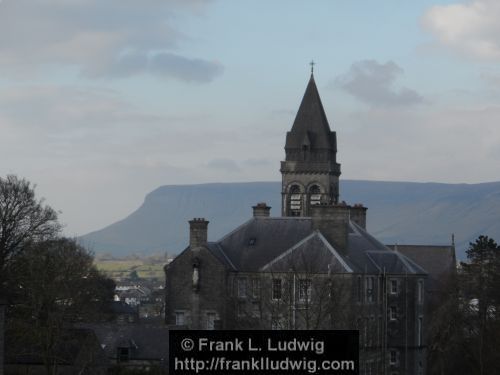
The dome of rain still hangs around you,
the western winds still tear the sky,
just like the day that I once found you,
just like the day I once will die,
you saddest town of all.
Your careless beauty makes me shiver,
the cans and daisies on your lawns,
and from a bench beside the river
through iron bars I see your swans,
you saddest town of all.
The clouded dark blue mantle covers
your opaque waters in the night,
for poets, suicides and lovers
the moon sends down her mystic light,
you saddest town of all.
The walls of silence still surround you,
and still the world is passing by,
just like the day that I once found you,
just like the day I once will die,
you saddest town of all.
|
|
|
The Bells Of Nagnata
In a valley near the ocean
stood the city of Nagnata,
heart of commerce and devotion;
here, in Erin's thriving gem,
the Dagda lived and his inamorata
beside the shrine his people built for them.
In a mill the men were grinding
corn while bards gave their renditions
at the streamlets that were winding
through ravines down to the sea,
from near and far the traders and musicians
arrived, becoming what they strove to be.
Mansions, roads and public places
yielded its distinguished aura,
fishermen with ruddy faces
sat on stones and cast their rods,
and over them the deities' restorer,
the Dagda governed, Father of the Gods.
But one morning when the silence
of the birds engendered pity,
when the mist rolled from the highlands
and the streets were glazed with rain,
the tidings spread like wildfire through the city
that Patrick was arriving with his train.
Chanting hymns, the Lord's battalion
marched and noisily descended
while the Dagda on his stallion
Acein knew he faced his fate,
and anxiously he held his arm extended
and told his men to close the city gate,
‘With this town I have created
one last haven of traditions,
and it shan't be desecrated
by a foreign god or priest;
Nagnata is no place for Christian missions –
we shall not be invaded from the East!’
But the clerics were not mortals
of the common disposition,
and they walked right through the portals
like a host of phantoms, and
with sheer determination and ambition
they took control of every inch of land.
Patrick and his monks selected
the location where their abbey
was supposed to be erected
while the Dagda turned around,
telling his citizens, ‘Don’t let these flabby
intruders violate this holy ground!’
Yet no weapon could undo them:
knife and axe caused no destruction,
and their arrows went right through them
like a brooklet through the fen -
at night they would dismantle their construction,
but in the morning it would stand again.
Soon Nagnata lay defeated
and strange laws were promulgated.
When the belfry was completed,
the old god warned with a frown,
‘With the first bell that tolls, this celebrated
city shall perish and its captors drown!’
On that sunny Easter morning
after they had raised the steeple,
still ignoring every warning,
Patrick's monks felt they were blessed;
but as they rang the bell to call God's people,
they heard a distant rumbling from the West.
Then the sky was set in motion,
and a sudden rain cascaded
down the vale, the savage ocean
hurried inland to reshape
the valley; on a hill the Dagda aided
his friends in building boats for their escape.
And he watched the waters rising
in the city he had founded,
watched the wild and jeopardising
torrent that had been a brook,
and while the bells below his feet still sounded,
he gave his work of art the parting look.
Dolefully he took his magic
harp, and he commenced to strum it
as his city met its tragic
end; the pensive god grew pale,
and as the raging waters reached the summit,
the Dagda and his followers set sail.
- Where the hawks and crows examine
every chimney in the mountains,
only stirred by swans and salmon,
lies the surface of Lough Gill,
and on clear days their buildings and their fountains,
their streets and homes can be distinguished still.
You may see the desolated
market where they used to barter,
next to it the consecrated
shrine and abbey, ne'er to wake,
and if you hear the church bells of Nagnata,
they call you to the bottom of the lake.
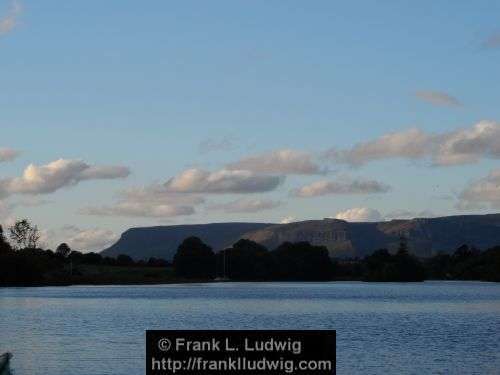
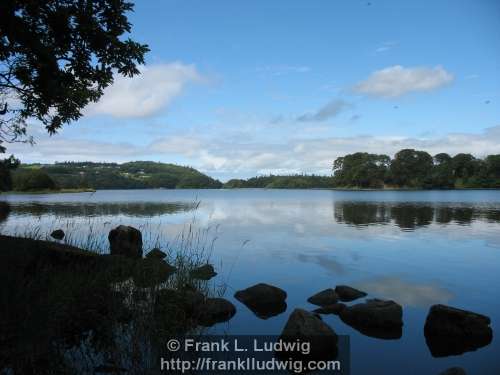
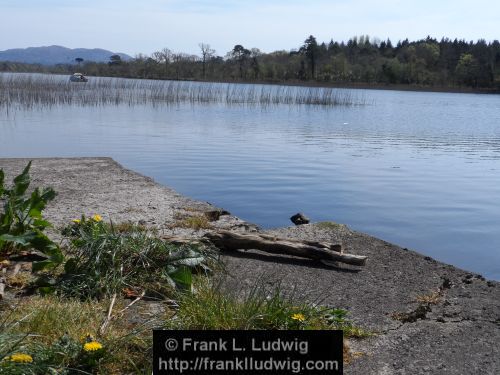
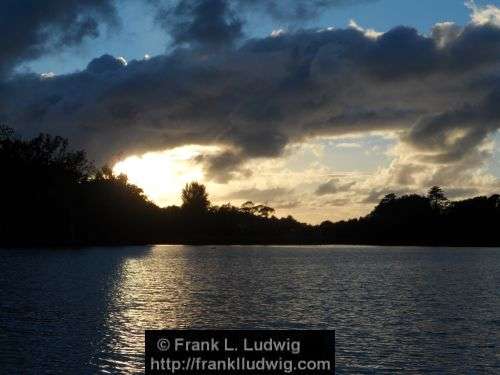
|
|
|
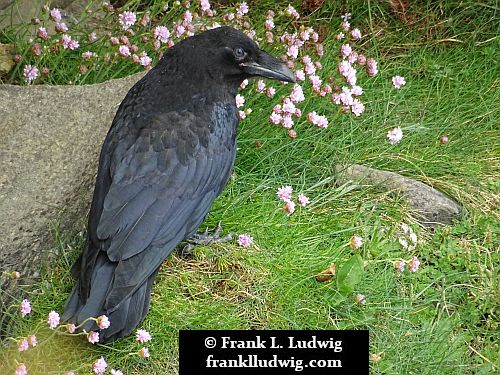
The Raven
‘Friend of Odin, bird who rattled countless armies as they battled,
fed the balmy Gileadite and still preserves forgotten lore!
As my years and passions bygo: where,’ I asked, ‘oh where must I go
to encounter you? In Sligo, at which wild and rugged shore
can I take some pictures of your sombre beauty I adore?’
Quoth the Raven, ‘Mullaghmore.’
|
|
(To see when a poem was composed, hover over its title.)
© Frank L. Ludwig
This collection can now be ordered as a book illustrated with many colour photographs of Sligo for €16 at Lulu.